Bottom line: the one thing this Korea convenience store guide exists to tell you is that a convenience store is where you buy and top up a T-money card — with cash only — and where you can buy a physical Climate Card, but not where you can reload a Climate Card short-term pass. Everything else, from the sandwich fridge to the hot-water dispenser, is a bonus.
🇰🇷 Quick Korea Travel Guide
👉 Getting in: Check K-ETA requirements and file the e-Arrival Card before you fly.
👉 Stay in Touch (eSIM): Install a Korea eSIM from Airalo before you land — no airport counter queue.
👉 Download New Apps: Use Naver Map in English to find the nearest 24-hour store.
👉 Where to Book Activities: GetYourGuide Seoul for tours and food walks, then KKday for KTX rail and Korea-only passes.
👉 Getting Around: Buy a T-money card or a Climate Card short-term pass — see our T-money vs Climate Card guide.
👉 For more in-depth planning: Browse all our Korea Travel guides.
Disclosure: the eSIM, tour and rail links above are affiliate links. If you buy through them we may earn a commission at no extra cost to you. The transport-card rules below come from Tmoney’s own English guide.
The short answer in this Korea convenience store guide
- GS25, CU, 7-Eleven, emart24, MINISTOP, Story Way and 365PLUS are all listed by Tmoney as T-money sales and top-up points.
- T-money top-ups at a store are cash only, in Korean won, in ₩1,000 units from ₩1,000 to ₩90,000, and the card cannot hold more than ₩500,000.
- You can buy a physical Climate Card for ₩3,000 at GS25, CU, 7-Eleven and emart24 branches near Seoul subway stations, by card or cash.
- You cannot reload a Climate Card short-term pass at a convenience store — only at unmanned reload machines inside Seoul subway stations.
- A Climate Card also cannot be used to pay for anything in a convenience store; a regular T-money card can.
- T-money refunds are available at sales and top-up points for a ₩500 fee, but partial refunds happen only at Tmoney Town and subway service centres.
- 7-Eleven was the first convenience store brand in Korea, opening in 1989; GS25 had the largest store count in the country as of 2022, per the Korea Tourism Organization.
- Korean law bars alcohol and tobacco sales to juveniles, so expect an ID check and carry your passport.
Before you fly · via Airalo
South Korea eSIM (unlimited data)
Unlimited data from US$12 for 3 days · US$29 for 7 days · US$49 for 15 days · install before you fly (as of Oct 2026)
What this guide covers
1. The chains, and which one was actually first
Four names cover almost every storefront you will walk past: GS25, CU, 7-Eleven and emart24. The Korea Tourism Organization’s own page on Korean convenience stores credits 7-Eleven as the first convenience store brand in Korea, opened in 1989, and notes that GS25 had the largest number of stores in the country as of 2022. CU, run by BGF Retail, launched as an independent brand in 2012 after the company’s first store opened at Garak Market in 1990.
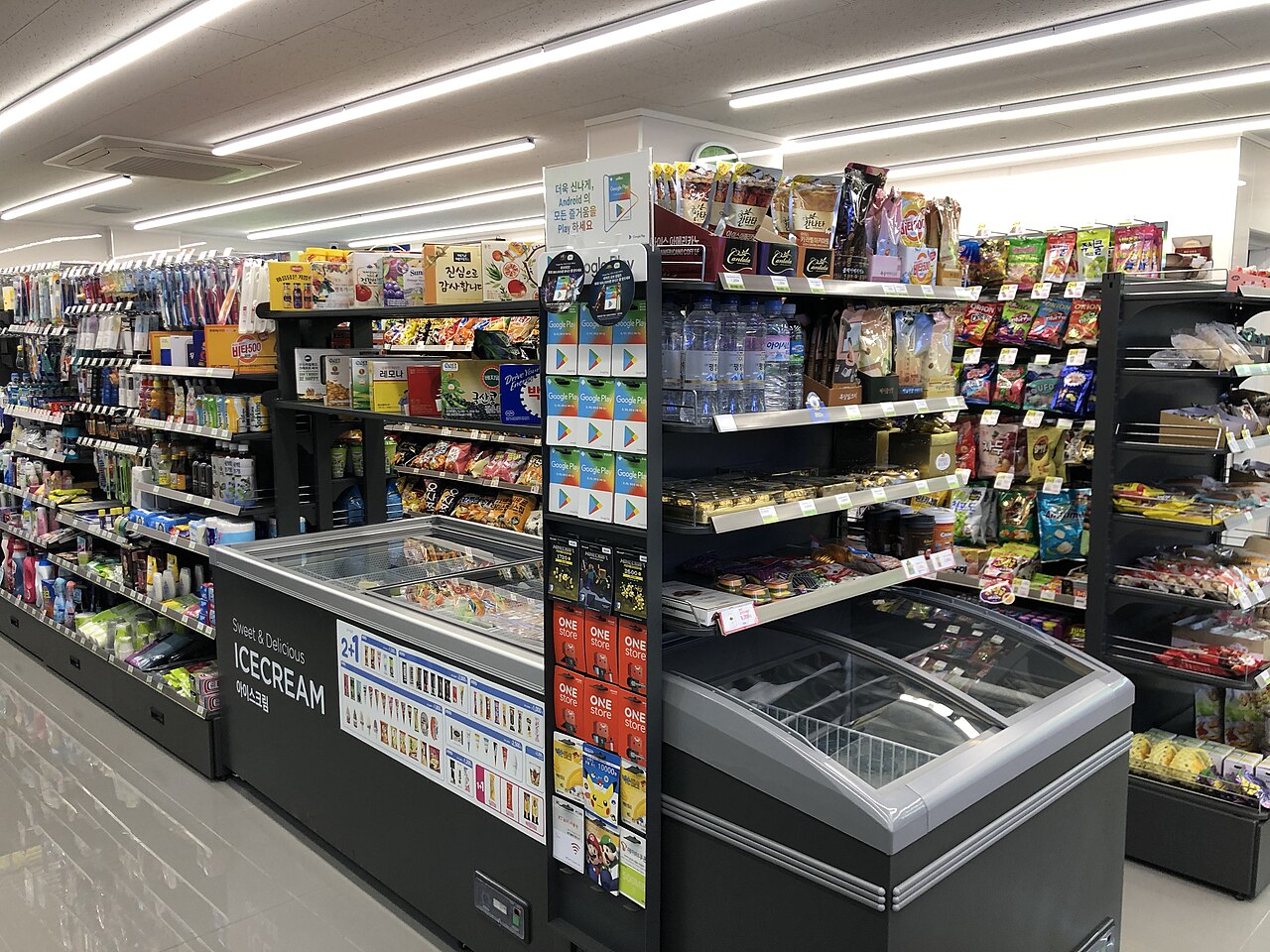
Which one is “best” is the wrong question. The chains carry different own-brand snacks and different collaboration products, but the services that actually matter to a visitor — transport cards, ATMs, hot water, parcel drop-off — are broadly the same. Walk into whichever is closest.
Where the chains genuinely differ is in their showpiece branches. The Korea Tourism Organization highlights GS25’s Jeonju Hanok Village store, housed in a traditional tile-roofed building, the Cassia Sokcho store with sea-view window seats and a Wine25+ section, and the Cheongwa Gonggan store whose second-floor café looks out over Gyeongbokgung Palace. Those are destinations; the rest are utilities.
2. Transport cards: what a store can and cannot do
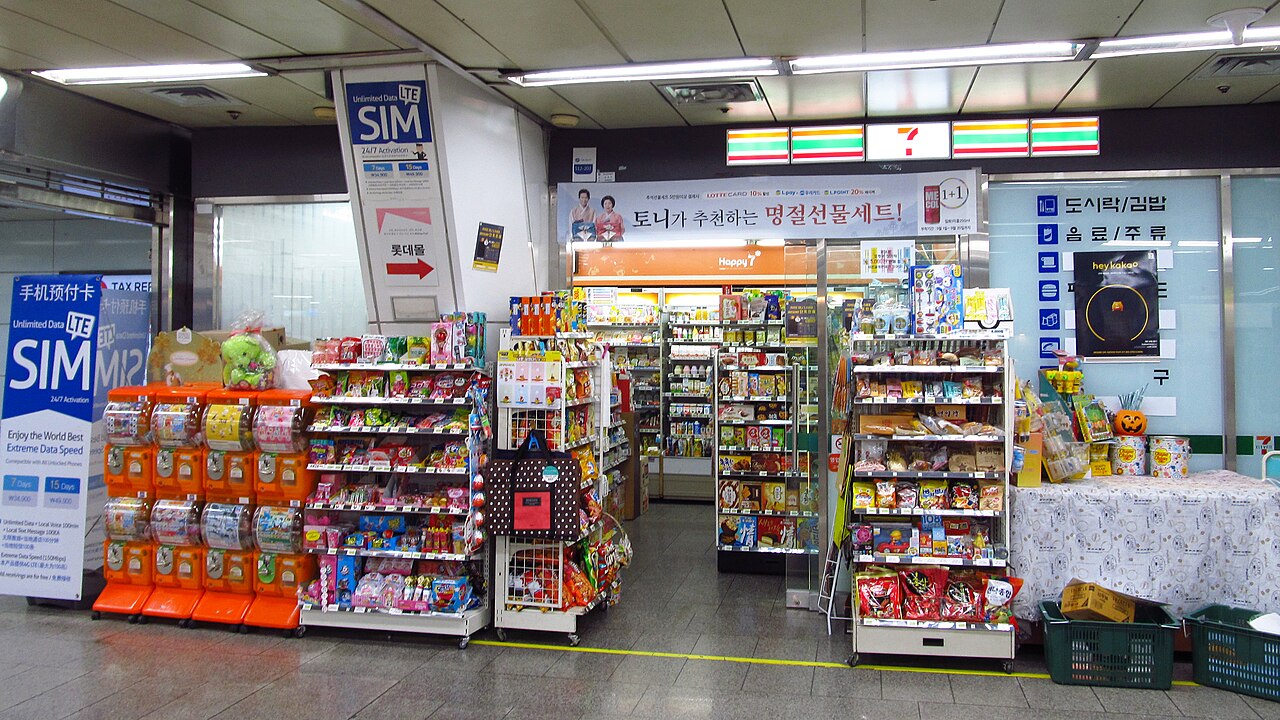
This is the part of any Korea convenience store guide that most posts get wrong, so here it is straight from Tmoney’s own English guide. Convenience stores are official T-money sales and top-up points — Tmoney lists GS25, CU, 7-Eleven, MINISTOP, Story Way, emart24 and 365PLUS by name. To top up you hand over the card and cash in Korean won: ₩1,000 units, between ₩1,000 and ₩90,000 at a time, and the balance can never exceed ₩500,000.
A physical T-money card cannot be topped up with a foreign credit card at a store counter. If you only have cards, the 2026 subway ticket machines will sell you a single journey or a Climate Card pass with a foreign card and a surcharge, but they are not a T-money top-up route either.
The Climate Card splits in two. Buying the physical card is easy: ₩3,000 at GS25, CU, 7-Eleven or emart24 branches near Seoul subway stations, with card or cash accepted, though Tmoney warns a surcharge may apply to cards issued outside Korea. Adding the short-term pass — ₩5,000 for one day, ₩8,000 for two, ₩10,000 for three, ₩15,000 for five and ₩20,000 for seven — has to be done at an unmanned card reload machine inside a Seoul station on Line 1 (Seoul Station to Cheongnyangni), Lines 2 to 9, the Ui-Sinseol Line or the Sillim Line.
One more asymmetry worth knowing: Tmoney states that a Climate Card cannot be used at T-money distribution affiliates — convenience stores, Lotteria, Starbucks and so on. A normal T-money card can. So if you want to tap-and-pay for your kimbap, carry T-money, not the pass.
Refunds follow the same split. A T-money refund is handled at sales and top-up locations in cash, minus a ₩500 fee and never including the card fee, but partial refunds only happen at Tmoney Town and subway service centres, in ₩10,000 units between ₩10,000 and ₩50,000. Climate Card refunds require stopping the card at a station machine and then visiting the T-Town customer centre in person before the pass expires. Full detail is in our Climate Card guide. If you travel card-only, a prepaid option such as the WOWPASS voucher on KKday is worth a look; check what it covers before you rely on it.
Prepaid card · Payments · via KKday
WOWPASS Prepaid Card voucher
⭐ 4.7/5 from 1,569 KKday reviews · voucher ₩6,000 · redeem at a WOWPASS machine with your passport · non-refundable (as of Oct 2026)
The key rules at a glance
| What you want to do | Convenience store? | Official detail |
|---|---|---|
| Buy a T-money card | Yes | GS25, CU, 7-Eleven, MINISTOP, Story Way, emart24, 365PLUS are listed Tmoney sales points |
| Top up T-money | Yes — cash only | ₩1,000 units, ₩1,000–90,000 per top-up, max balance ₩500,000 |
| Top up T-money with a foreign card | No | Cash only; foreign cards are not accepted for top-ups |
| Buy a physical Climate Card | Yes, ₩3,000 | Stores near Seoul subway stations; card or cash, surcharge possible on non-Korean cards |
| Reload a Climate Card short-term pass | No | Only at unmanned reload machines in Seoul stations (Lines 1–9, Ui-Sinseol, Sillim) |
| Pay for goods with a Climate Card | No | Tmoney excludes convenience stores and other affiliates |
| Refund a T-money balance | Yes, full refund | ₩500 fee; partial refunds only at Tmoney Town and station service centres |
| Register a child or youth discount card | Yes | Present the card and ID at a convenience store or station information centre |
3. What to actually buy
The prepared-food section is the reason Korean convenience stores are a genuine meal option rather than a snack stop. Triangular kimbap, rice bowls, cold noodles and rotating dosirak lunch boxes sit in the chilled cabinet, and every store has a microwave and a hot-water dispenser so instant ramyun works on the spot. There is usually a counter or a window bar to eat at.
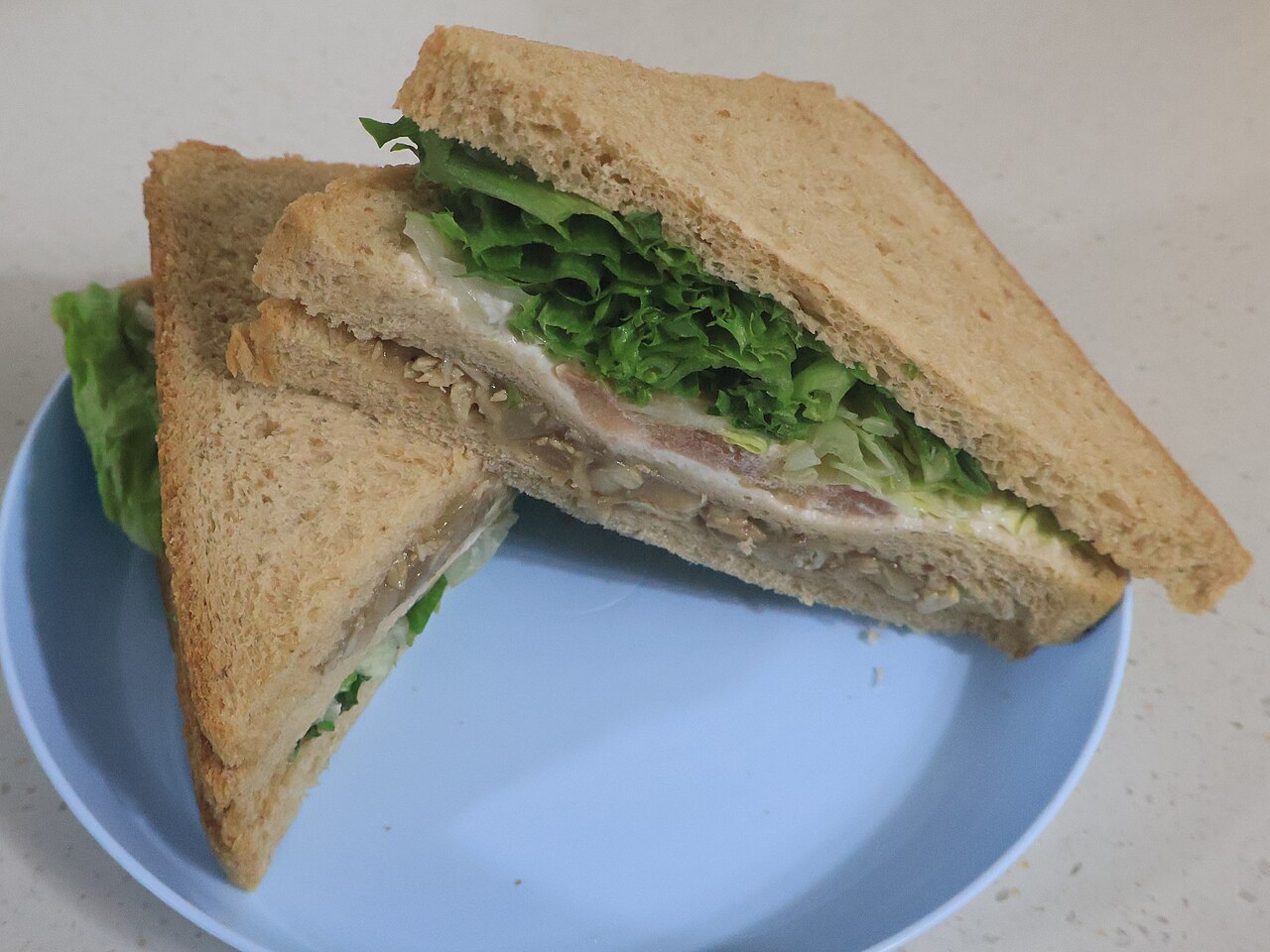
The Korea Tourism Organization singles out three long-running classics that visitors tend to take home as souvenirs: Gamdongran soft-boiled eggs, banana-flavoured milk — Korea’s favourite flavoured milk for half a century — and Viyott, a yoghurt-and-cereal combination. GS25’s Cafe25 counters also pour DIY coffee and other drinks at prices well under a café.
4. Alcohol, tobacco and the ID check
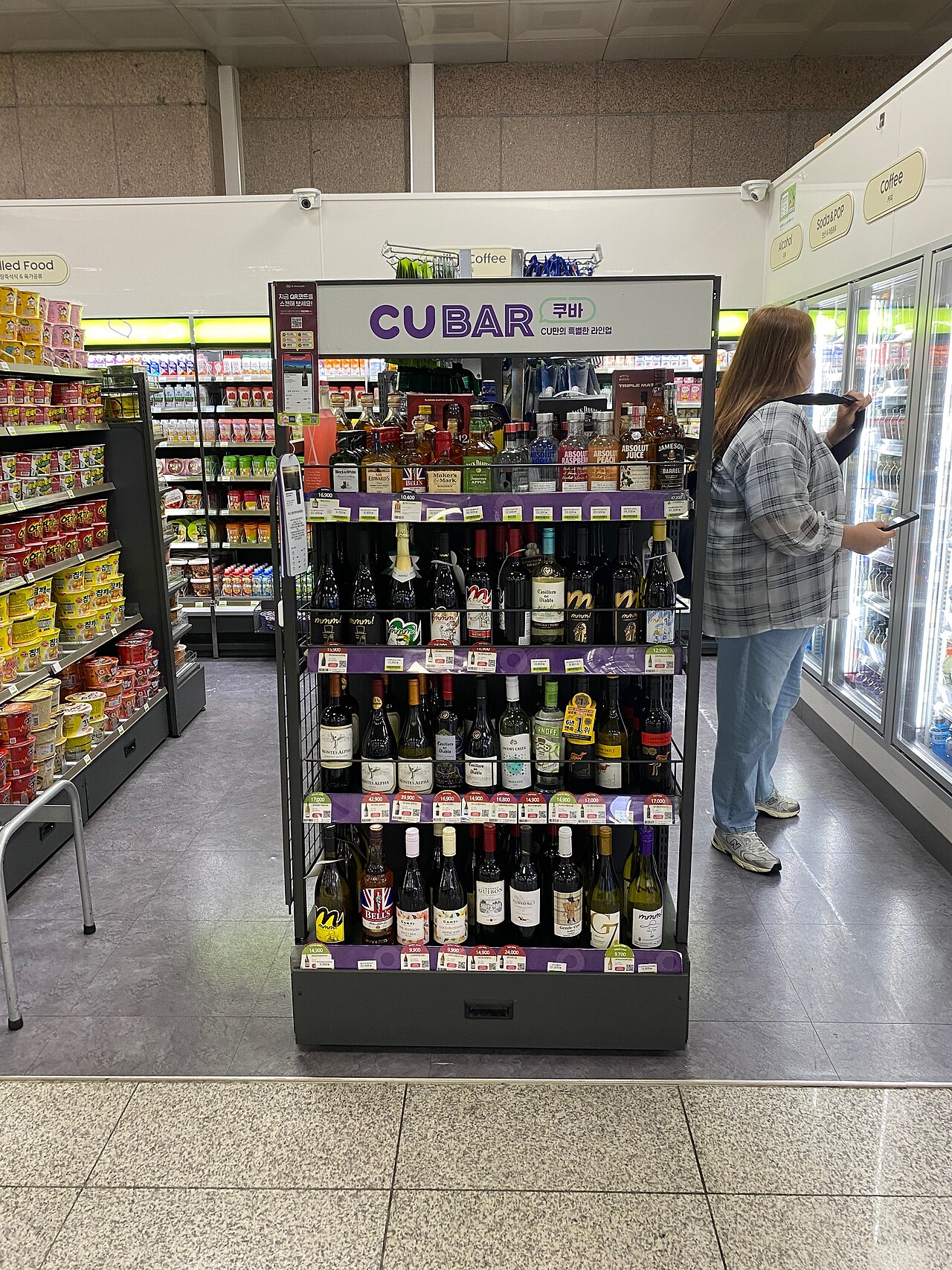
Beer, soju and increasingly wine sit in open fridges, and there is no closing time on the shelf itself. What is regulated is who may buy: Korea’s Youth Protection Act prohibits selling alcohol and tobacco to juveniles, and staff are required to verify age. Bring your passport if you look anywhere near the line, because a foreign driving licence is often refused.
Drinking at the plastic tables outside a store is common in nightlife districts, but it is a local habit rather than a published policy, and individual stores and districts set their own limits on outdoor seating. Treat it as something you may find rather than something you can count on.
5. The services beyond the shelves
Beyond food and transport cards, the reliable uses are an ATM, a parcel drop-off counter, basic medicine such as painkillers and rehydration sachets, phone cables, umbrellas and a hot-water tap. Prepaid SIM cards are sold in some branches too, though for a visitor the cheaper and simpler route is the Airalo eSIM you install before you fly — see our eSIM vs SIM vs pocket WiFi comparison.
Two cautions on the ATM. Not every in-store machine handles foreign cards, and the ones that do may apply their own fee on top of your bank’s, so check the screen for the Visa, Mastercard, Plus or Cirrus marks before you insert anything. Our cash guide covers which machines are worth trusting and how much won to carry.
Opening hours vary more than the “24/7” cliché suggests. Many branches, especially in residential areas and inside buildings, keep shorter hours, so check the listing in Naver Map rather than assuming the door is open at 04:00.
Mistakes to Avoid
- Trying to top up T-money with a card. Tmoney’s own guide says present the card and cash in Korean won. Bring notes.
- Expecting to reload a Climate Card pass at the till. Reloading is limited to unmanned machines inside Seoul subway stations on Lines 1–9, Ui-Sinseol and Sillim.
- Trying to pay for snacks with a Climate Card. Tmoney excludes convenience stores and other affiliates from Climate Card use — carry a normal T-money card for that.
- Topping up more than you can get back. Partial T-money refunds only happen at Tmoney Town and station service centres, in ₩10,000 units up to ₩50,000, and the ₩500 fee and card fee are never returned.
- Assuming every store is open 24 hours. Plenty are not, particularly in residential blocks and office buildings.
- Assuming every in-store ATM takes your card. Check for the international network logos, or use a bank-branch machine.
- Leaving your passport at the hotel on a beer run. Age verification is a legal requirement and foreign driving licences are frequently refused.
- Treating the chains as interchangeable for showpiece branches. The Jeonju Hanok Village, Cassia Sokcho and Gyeongbokgung-view GS25 stores are worth a detour; an ordinary branch is not.
Frequently Asked Questions
Can I top up my T-money card at a convenience store in Korea?
Yes. Tmoney lists GS25, CU, 7-Eleven, MINISTOP, Story Way, emart24 and 365PLUS as top-up points. Top-ups are cash only in Korean won, in ₩1,000 units from ₩1,000 to ₩90,000, and the card balance cannot exceed ₩500,000.
Can I buy a Climate Card at a convenience store?
Yes. A physical Climate Card costs ₩3,000 at GS25, CU, 7-Eleven and emart24 branches near Seoul subway stations, and both card and cash are accepted, though Tmoney warns a surcharge may apply to cards issued outside Korea.
Can I reload a Climate Card short-term pass at a convenience store?
No. Reloading is only possible at unmanned transport-card reload machines inside Seoul subway stations on Line 1 between Seoul Station and Cheongnyangni, Lines 2 to 9, the Ui-Sinseol Line and the Sillim Line.
Which convenience store chain is biggest in Korea?
The Korea Tourism Organization states GS25 had the largest number of stores in Korea as of 2022. 7-Eleven was the first convenience store brand in the country, opening in 1989, and CU launched as an independent brand in 2012.
Are Korean convenience stores open 24 hours?
Many are, but not all. Branches in residential areas and inside office buildings often keep shorter hours, so check the individual store listing in a map app rather than assuming.
Do convenience store ATMs in Korea accept foreign cards?
Some do and some do not, and fees vary by machine. Look for the Visa, Mastercard, Plus or Cirrus logos on the machine, or use an ATM inside a bank branch for more reliable acceptance.
Can I buy alcohol at a Korean convenience store at any hour?
There is no closing time on the shelf, but Korea’s Youth Protection Act prohibits alcohol and tobacco sales to juveniles and staff must verify age. Carry your passport, since a foreign driving licence is often refused.
Can I eat a proper meal at a Korean convenience store?
Yes. Chilled kimbap, rice bowls and dosirak lunch boxes are restocked through the day, and every store has a microwave and a hot-water dispenser for instant ramyun, usually with a counter to eat at.
What Else Should You Sort Before You Land?
The store is only useful if the card in your hand works. Start with T-money vs Climate Card to pick the right one, read the Climate Card short-term pass rules, and check how much cash to bring because top-ups are cash only.
For the rest of the arrival checklist: confirm K-ETA for 2027, file the free e-Arrival Card, sort data with our eSIM vs SIM vs pocket WiFi guide, and save Korea’s emergency numbers.
Sources (official pages)
- Tmoney — Foreigner Guide (T-money sales and top-up points, cash-only rule, refunds)
- Tmoney — Climate Card user guide (purchase at convenience stores, reload machines, exclusions)
- Korea Tourism Organization — Keeping Up with the Convenience Stores in Korea
- Korea Tourism Organization — Special GS25 stores and Cafe25
- Ministry of Government Legislation — Youth Protection Act (English text)
- BGF Retail — Sustainability Report (CU brand history and store network)
Book the basics for your Korea trip
Affiliate links: we may earn a small commission at no extra cost to you.
Related Guides
- Korea Travel Toolkit: what to book before you fly
- T-money vs Climate Card: Which Seoul Transport Card
- Seoul Climate Card: The Tourist Pass That Survived
- How Much Cash to Bring to Korea
- Korea eSIM vs SIM vs Pocket WiFi
- Korea Emergency Numbers: What to Actually Call
- Kakao T: The Taxi App Guide for Foreign Visitors
- Seoul Subway Etiquette
- Korea Tax Refund: The Limits Nobody Explains
- Vegan Korean Food: Best Survival Guide for Travellers (2026) — vegan options and hidden animal ingredients
Last checked September 2026 against Tmoney’s English Foreigner Guide and Climate Card guide, the Korea Tourism Organization’s convenience store pages and the Youth Protection Act.
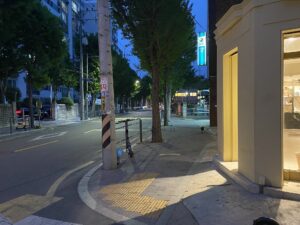
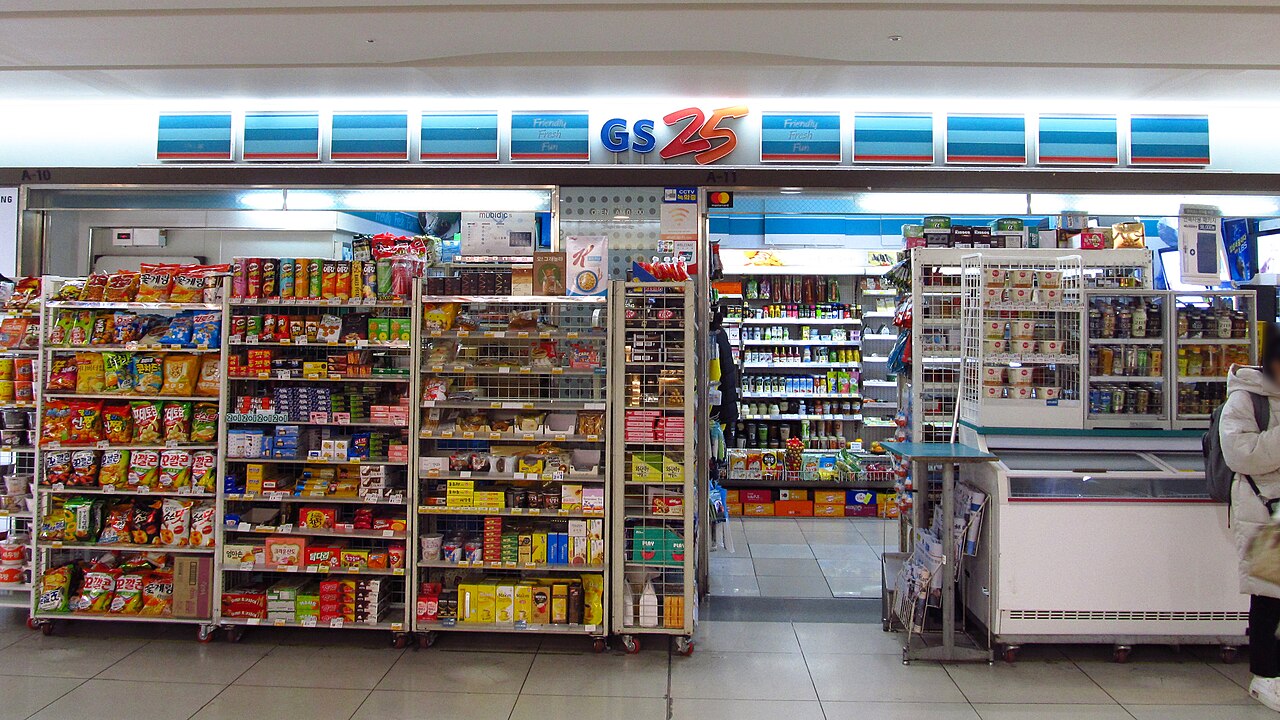
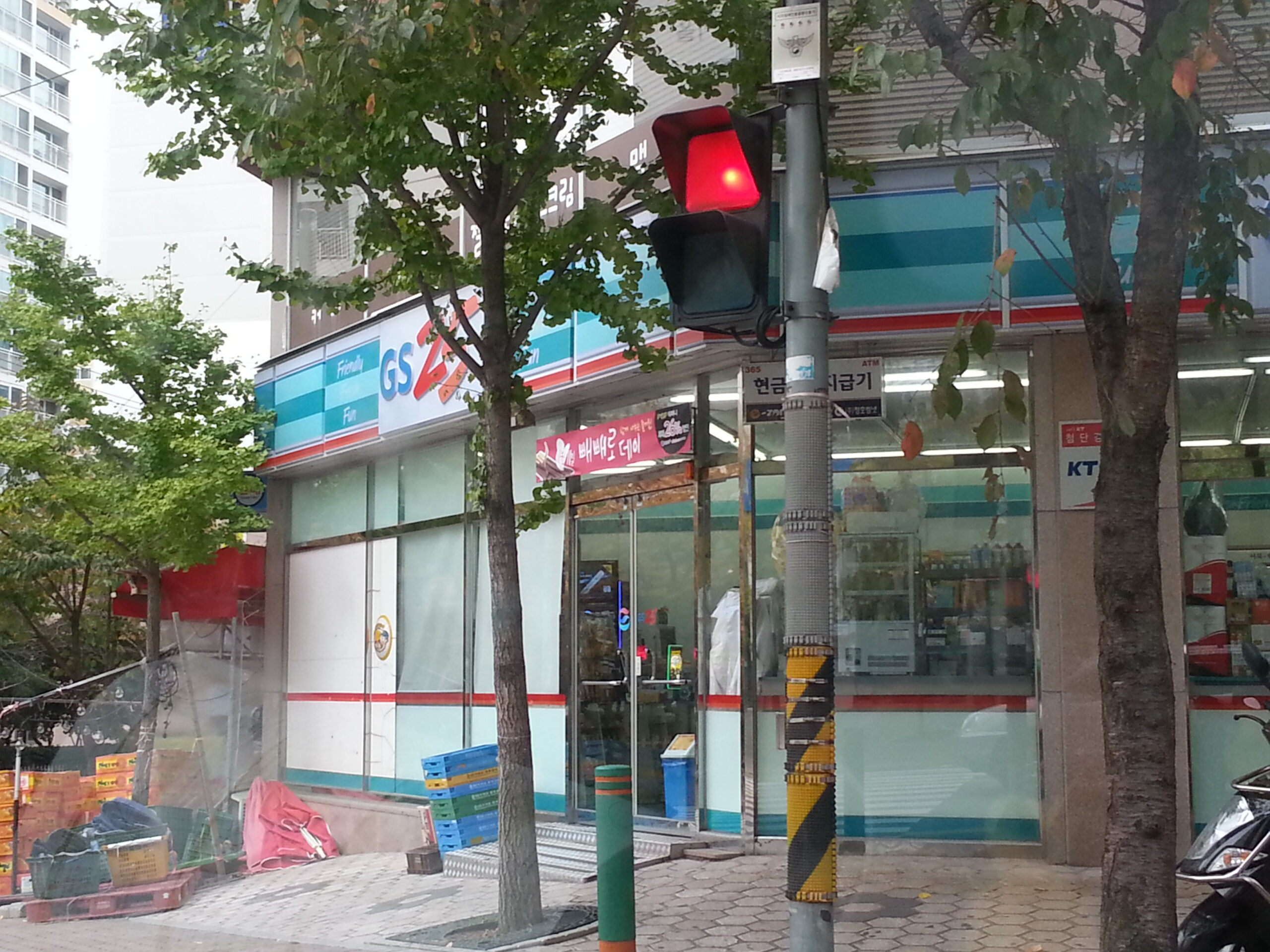
Cover photo: A GS25 branch in Seoul. Source: Wikimedia Commons (CC BY-SA).