Bottom line: korea tipping is simple, because as of November 2026 you do not tip at restaurants, in taxis or for everyday services, the price shown is the price you pay, and the only things worth learning are a few table manners, the two-handed hand-over and when to keep a little cash.
Quick Korea Travel Guide
Getting in: File the free e-Arrival Card unless you hold a valid K-ETA, and check the K-ETA exemption dates.
Stay in touch: Get a Korea eSIM from Airalo before you fly, so maps and translation apps work at the first restaurant.
Pay: A WOWPASS prepaid card on KKday works at card terminals and as a T-money card; see our WOWPASS review and Apple Pay in Korea.
Getting around: Read how to use the Seoul subway and the Kakao T taxi guide before your first ride.
Plan more: How much cash to bring, Korean phrases for travelers and the Korea Travel Toolkit; tours and tickets are on GetYourGuide Seoul.
Disclosure: Some links above are affiliate links. If you book through them I may earn a commission at no extra cost to you.
Most pages on korea tipping repeat “no tipping” and stop there. The useful answer has three parts: where a tip is simply not part of the price, where a service charge is already built into a hotel rate, and which small habits (waiting for the eldest to eat, passing things with two hands) matter more than money. This guide checks the Korea Tourism Organization, Korea.net, hotel rate pages and Korean press as of November 2026, and links the guides that cover the rest of your first meals and rides.
Quick answer
- Restaurants and cafes: no tip. The Korea Tourism Organization (KTO) says there is no need to tip, and extra water or side dishes cost nothing.
- Taxis: pay the meter. VisitKorea says most taxis charge by the taximeter and do not require tips; cash, credit card or a transport card all work.
- Hotels: some rate pages already include a service charge. Lotte Hotels’ Signiel Seoul offer says all rates include a 10% tax and a 10% service charge (21% in total).
- Tip jars: rare, and they have drawn public criticism in Korea; you are never expected to use one.
- Table manners: wait for the eldest to start, eat rice with the spoon, never stand chopsticks upright in rice, and use both hands when pouring or receiving a drink.
- Greetings: a short bow or nod is enough; give and receive objects with both hands.
- Rule for korea tipping: pay the listed price, say thank you, and keep a little cash for markets and small stalls.
Eat with a guide · Jongno · via GetYourGuide
Seoul: Guided Food and Market Tour with 8+ Tastings
⭐ 4.9/5 from 535 GetYourGuide reviews · 3 hours · English-speaking guide · group of up to 12 · from ₩131,104 per person · free cancellation up to 24 hours before (as of Nov 2026)
What this guide covers
What Is Korea Tipping Culture and Do You Need to Tip?
Korea tipping culture, in short, does not exist. Wages and service are priced into what you pay, and a visitor who leaves extra money behind usually causes confusion rather than gratitude. KTO’s food page puts it plainly: tipping is not required or expected in Korea. Korea Times reported in August 2025 that every recent attempt to introduce gratuities, by small shops and big companies alike, has met public backlash.
That does not make Korean service cold. The reverse is true: staff are quick to help, and the culture of respect shows up in manners, not in cash. The sections below split korea tipping into money (where you pay and where you do not) and manners (what to do with your hands, your spoon and your glass), then list the mistakes visitors make most often.
1. Korea Tipping at Restaurants, Cafes and Bars
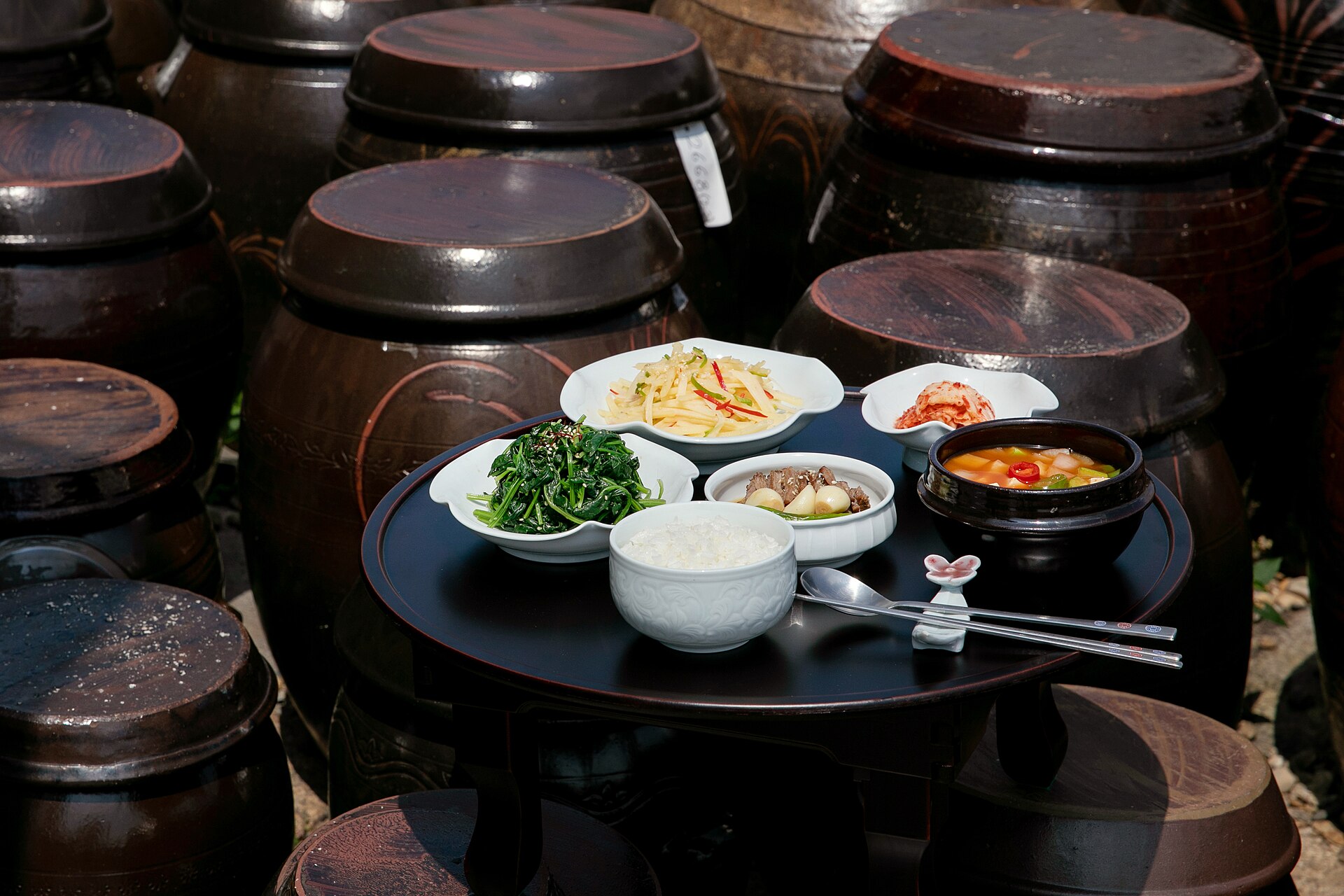
KTO’s page on Korean food states that at Korean restaurants there is no need to tip, and that requests for extra water or side dishes do not incur additional charges. It adds that more restaurants now let guests serve themselves water and side dishes, or order through unmanned machines. At a restaurant that does neither, staff will help with questions, so there is nothing to negotiate and nothing to add at the end of the meal.
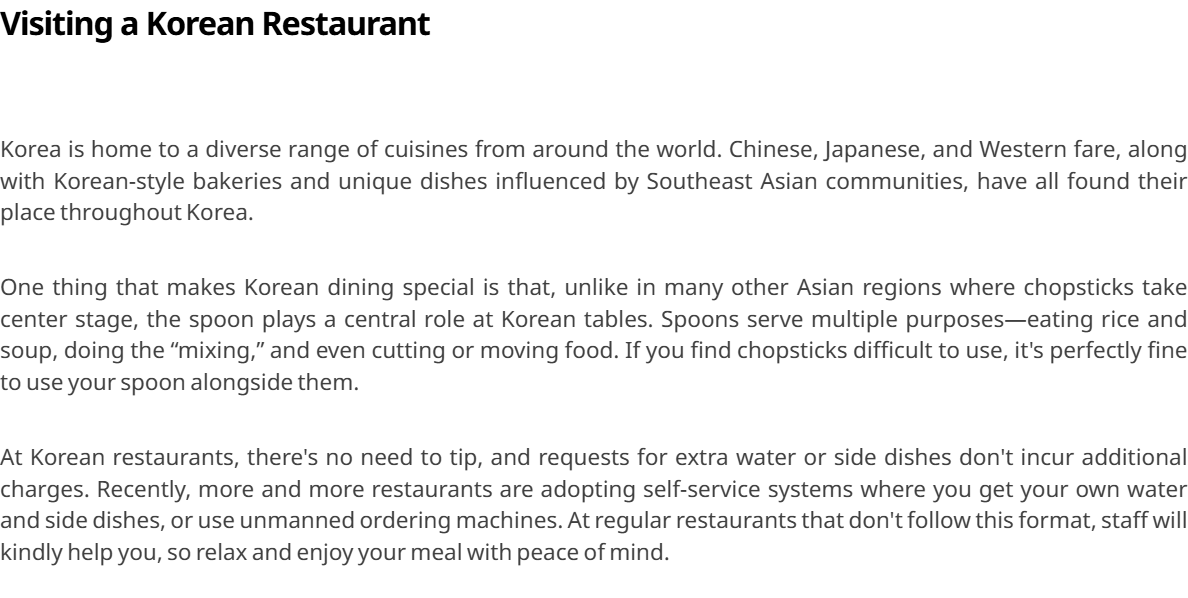
Two practical details make the no-tip rule easy to follow. First, VisitKorea describes call buttons and utensil drawers built into many tables, so you press the bell to summon staff and take your own spoon and chopsticks. Second, the bill is the bill: a menu price or a set-meal price is what you pay. If you want to check what a typical order costs, see Korean BBQ for first-timers, the Korean street food guide and the Seoul food tour comparison.
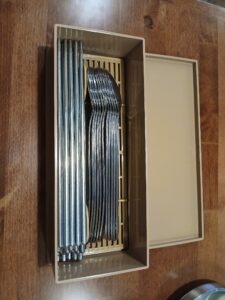
What if a counter has a tip jar?
Korea Times described a few cases in its August 2025 report. In June 2025 a pizza outlet drew criticism for adding a ₩2,000 tip through a delivery app, and its parent company said the outlet was no longer an official franchisee. In 2023 Kakao Mobility tested a taxi-tipping feature that was never made permanent, and the bakery London Bagel Museum removed a tip jar after sharp public criticism. A 2023 THEPOL survey of 22,203 people found that more than 61 percent were opposed to tipping culture in Korea. If you meet a jar, you are free to walk past it; most visitors do.
Cafes and bars work the same way: the menu price is the price, whether you order at a counter, at a kiosk or from staff. For the habits around ordering and paying in small places, the Korean phrasebook lists the lines that work best, and the Hangul guide helps you read the menu board.
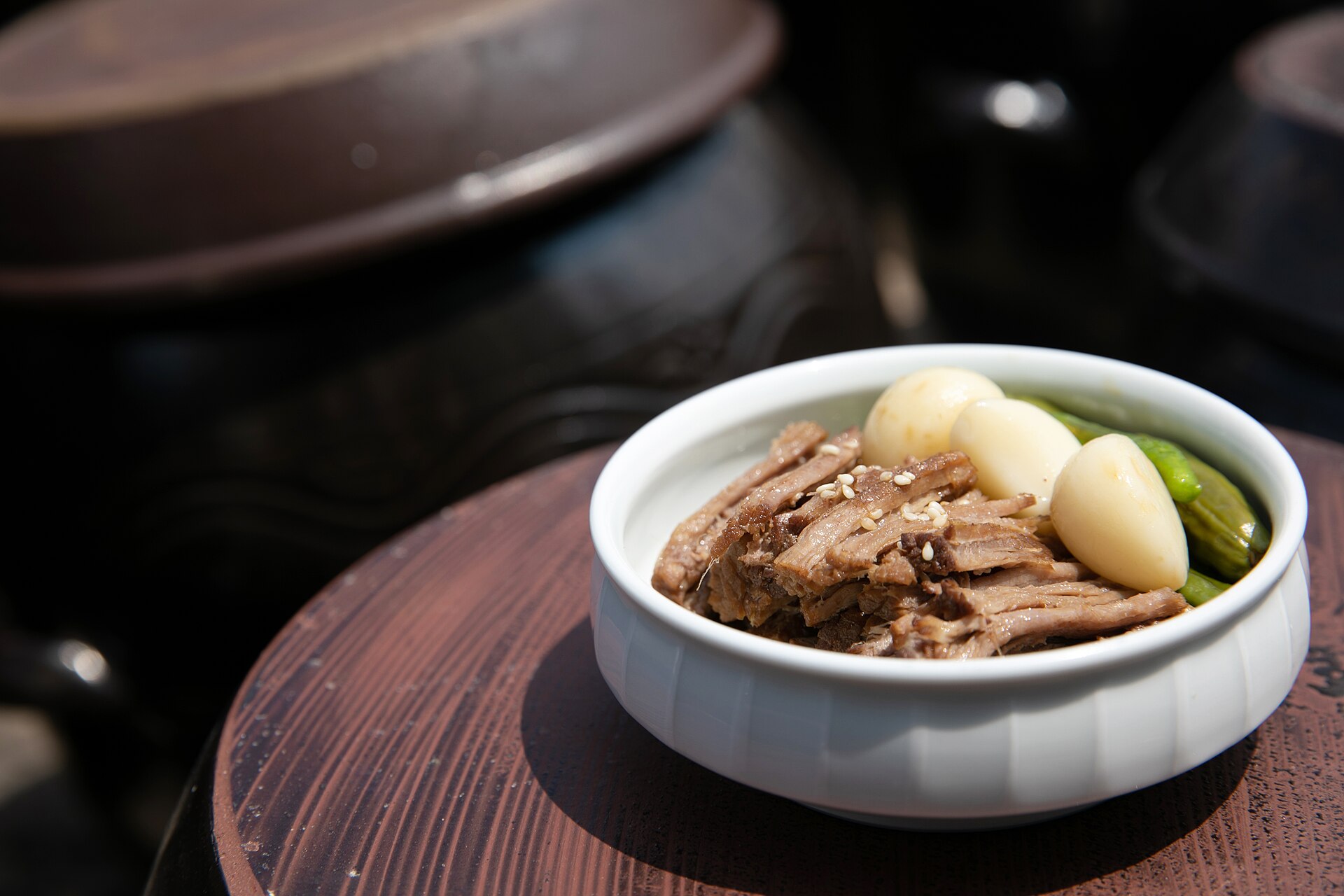
2. Korea Tipping in Taxis, Hotels and Tours
Taxis. VisitKorea (page updated 22 January 2026) says most taxis charge according to the taximeter and do not require tips, and that passengers can pay with cash, credit card or a transportation card. The same page notes that the late-night fare usually applies from 22:00 to 04:00 and that app or phone call taxis may add a small call-service fee. Those extras are part of the fare, not tips. For the actual numbers and the scams to avoid, read Taxi Scams in Seoul and the Seoul late-night taxi guide; to hail and pay in an app, use the Kakao T guide or the Uber Korea guide.
Hotels. Korea tipping at hotels is really about reading the rate. Lotte Hotels’ Signiel Seoul offer page says all rates include a 10% tax and a 10% service charge (21% in total), and the Grand Lotte Seoul offer pages carry the same wording. The Shilla Seoul’s early-bird page, by contrast, states that its price includes 10% value-added tax. So hotels differ: look for a line such as “includes taxes and service charge” before you compare two rates. Where a service charge is already inside the rate, there is nothing further to add at check-out. Our Seoul area guide and Korea trip cost budgets explain how to compare totals.
Tours and guides. A booking page lists exactly what the price includes, so follow that page rather than a home-country habit. For the tour above and the other food tours, our Seoul food tour guide compares operators, tastings and cancellation terms side by side.
Beauty and wellness. Salon, spa and head-spa prices are quoted per service, and KTO states that tipping is not required or expected in Korea; see the Seoul head spa guide and the hair salon guide. Bathhouses have their own rules; see Jjimjilbang etiquette.
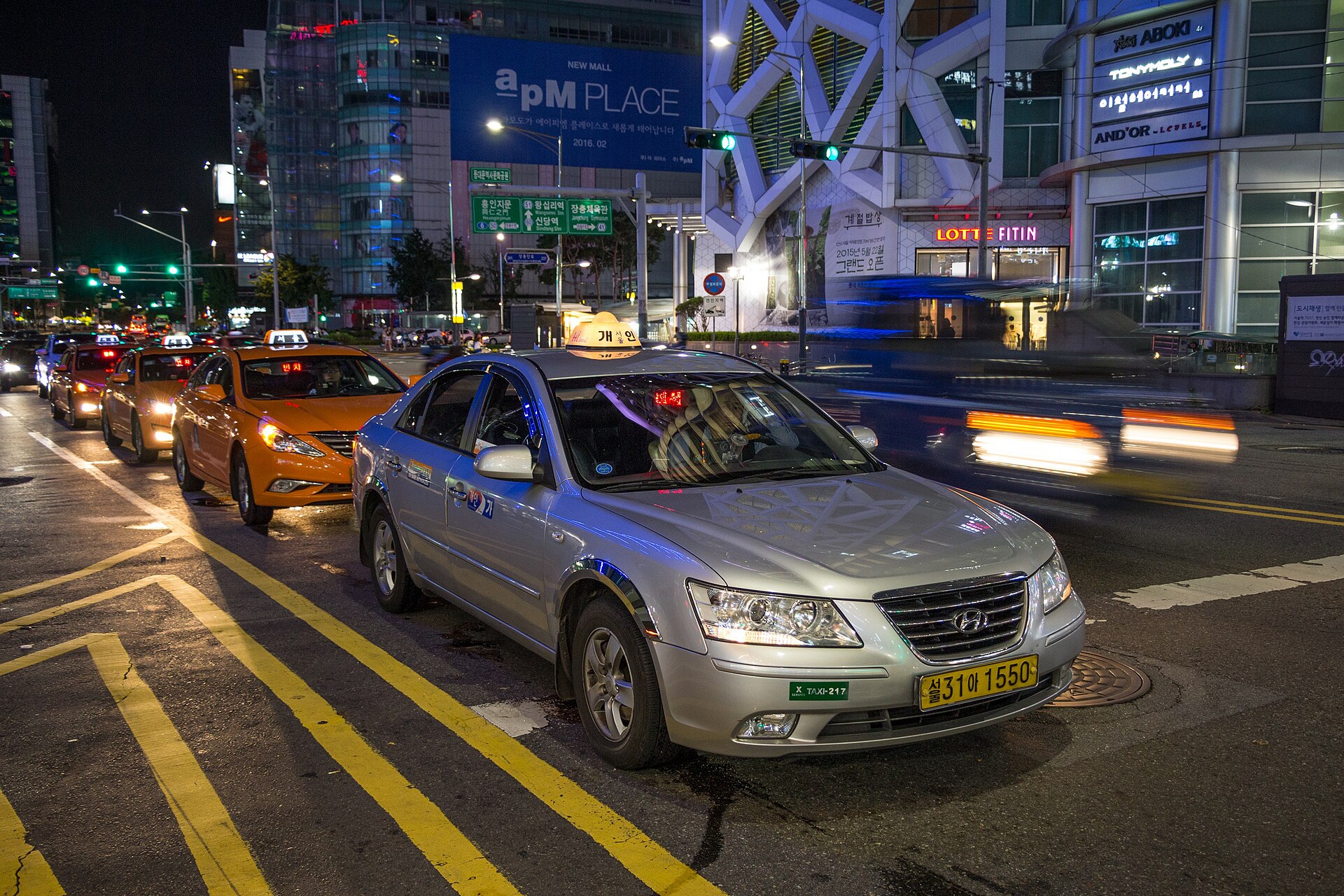
3. Table Manners Every Visitor Should Know
If korea tipping is the easy part, table manners are where a little effort earns real goodwill. Korea.net, the government’s official site, describes the basics in its table-manners episode: younger people usually do not start eating until older people at the table have picked up their utensils; when pouring a drink for someone older, or receiving one from them, hold the bottle or cup with both hands; when drinking, turn slightly away from the older person; do not stick chopsticks into a bowl of rice, because that is a ritual for the dead; do not lift your rice or soup bowl; and do not pick your teeth or blow your nose at the table.
- Wait for the eldest. When you eat with Korean friends, let the oldest person start first.
- Use the spoon for rice and soup. KTO notes that the spoon plays a central role at Korean tables, and that if chopsticks are hard, using your spoon alongside them is fine.
- Never stand chopsticks upright in rice. Korea.net notes that this gesture belongs to rituals for the dead.
- Pour with two hands. Hold the bottle or glass with both hands, and fill an older person’s glass before your own.
- Turn away to drink. With someone older or senior, turn your head or body slightly aside as you sip.
- Say thanks. Gamsahamnida (감사합니다) after a meal, or jal meogeosseumnida (잘 먹었습니다), “I ate well”.
The Korea Herald’s etiquette quiz on company dinners (hoesik) adds the order: younger members pour first for the oldest or most senior person, and then for others. You are a visitor, so nobody expects perfection, and a two-handed pour is already the gesture people notice. For barbecue specifics such as who grills and how to wrap a leaf, the Korean BBQ guide walks through the table step by step; for market snacks, see Gwangjang Market and pajeon and makgeolli.
4. Bows, Two Hands and Other Everyday Manners
A short bow is the traditional Korean greeting, and Korea.net notes that when you accept something from an older person you receive it with both hands and a small bow; if the item is small enough to take with one hand, support that arm with your other hand. For a tourist this means a nod and annyeonghaseyo to staff, and two hands (or one hand with the other under the wrist) for cards, cash, tickets and gifts. You do not need a deep bow in shops, hotels or restaurants.
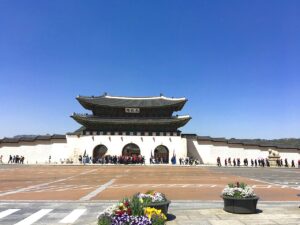
Shoes come off in homes, temples and guesthouses, and wherever you see a raised floor or a row of shoes at the door; see Templestay in Korea, the Bukchon Hanok Village rules and palace manners at Gyeongbokgung for places with their own rules. On public transport, Seoul subway etiquette covers seats, noise and escalators, and the convenience store guide covers eating on the spot.
Useful phrases at the table
| Situation | Say | Romanized |
|---|---|---|
| Call staff | 여기요 | yeogiyo (“excuse me”) |
| Thank you | 감사합니다 | gamsahamnida |
| Before eating | 잘 먹겠습니다 | jal meokgesseumnida |
| After eating | 잘 먹었습니다 | jal meogeosseumnida |
| Ask for the bill | 계산해 주세요 | gyesanhae juseyo |
| No, thank you | 괜찮아요 | gwaenchanayo |
5. Cash, Cards and Paying the Bill
Because there is no tip line, paying is quick, but it helps to carry the right tools. Taxis take cash, credit cards and transport cards according to VisitKorea, and small stalls and markets can be cash only, so keep some won; how much cash to bring to Korea gives a budget. For phone payments and foreign cards, Apple Pay in Korea explains where contactless works and where it does not, the WOWPASS review covers the prepaid card, and T-money vs Climate Card covers transit.
Prepaid card with T-money function · via KKday
WOWPASS: Prepaid Card for Cashless Payment in Korea
⭐ 4.7/5 from 1,579 KKday reviews · 20K+ sold · works for cashless payment and as a T-money card · no cancellation (as of Nov 2026)
Shopping is separate from tipping: a tourist tax refund is a refund of VAT paid on goods, not a service payment, and the rules are in the Korea tax refund guide. Do not confuse a refund counter’s paperwork with a gratuity; nobody at a refund kiosk expects anything.
The key rules at a glance
| Where | Tip? | What to do |
|---|---|---|
| Restaurants and cafes | No (KTO) | Pay the listed price; extra water and side dishes are free |
| Taxis | Not required (VisitKorea) | Pay the meter by cash, card or transport card; see Kakao T |
| Hotels | No separate tip | Check whether the rate includes tax and the 10% service charge |
| Tip jar at a counter | Optional | Walk past it; jars have drawn criticism in Korea |
| Salon, spa, head spa | Not required (KTO) | Pay the quoted service price; see head spa |
| Tours booked online | Follow the listing | Read the “included” list on the booking page; see food tours |
| Shops | No | Ask about tax refund at the till; see tax refund |
Mistakes to Avoid With Korea Tipping and Etiquette
- Leaving cash on the table at a restaurant; the staff may be unsure what it is for.
- Adding a tip on top of a hotel rate that already shows a service charge.
- Standing chopsticks upright in a bowl of rice, which echoes rituals for the dead.
- Lifting the rice or soup bowl to your mouth instead of using the spoon.
- Pouring your own drink first when you are eating with Korean friends or colleagues.
- Starting the meal before the eldest person has picked up their utensils.
- Handing over a card or ticket with one hand and no thanks; use two hands or support your wrist.
- Assuming every shop takes a foreign card; keep some won for markets and small stalls.
If something at a counter or on a bill looks unclear, the tourist scams guide lists what is normal, and the emergency numbers guide has the helpline numbers.
Frequently Asked Questions
Do you tip in Korea?
No. The Korea Tourism Organization says there is no need to tip at Korean restaurants, and VisitKorea says most taxis charge by the meter and do not require tips.
Is tipping rude in Korea?
Not rude, but unusual. Leaving money behind can confuse staff, and tip jars have drawn public criticism, so most visitors simply pay the listed price.
Do you tip taxi drivers in Korea?
No. Pay the meter in cash, by credit card or with a transport card. Late-night surcharges and call-service fees are part of the fare, not tips.
Do you tip at Korean hotels?
There is no separate tip. Some hotels quote rates that already include a service charge; Lotte Hotels’ Signiel Seoul offer says rates include a 10% tax and a 10% service charge.
Do you tip at a Korean BBQ restaurant?
No. Refills of banchan and water cost nothing extra, and the bill covers the service. See our Korean BBQ guide for how ordering works.
What are the basic table manners in Korea?
Wait for the eldest to start, eat rice and soup with the spoon, never stand chopsticks in rice, and use both hands when pouring or receiving a drink.
Should I bow in Korea?
A short bow or nod with a greeting is enough. When you receive something from an older person, use both hands and a small bow.
Do I need cash in Korea if there is no tip?
Yes, a little. Markets and small stalls may take cash only, so carry some won alongside a card.
What Should You Learn Next Before You Eat Out in Seoul?
Once you know the korea tipping rules, set up the tools that make the first meal easy: a Korea eSIM from Airalo for maps and translation, then Naver Map in English to find restaurants and the phrasebook for ordering. Plan the day around a 7-day Korea itinerary and keep the packing list handy.
Sources (official pages checked)
- Korea Tourism Organization (VisitKorea), About Korean Food: visiting a Korean restaurant (no need to tip, free water and side dishes, spoon and chopsticks)
- Korea Tourism Organization (VisitKorea), About Korean Food: tipping not required or expected, call buttons and utensil drawers (page last updated 24 March 2023)
- Korea Tourism Organization (VisitKorea), Taxi: meter fares, no tips, payment methods, late-night fare (page updated 22 January 2026)
- Korea.net, While in Korea, Episode 7: Table manners
- Korea.net, Showing respect in Korean and Yoruba cultures (bowing, receiving with both hands)
- Korea.net, Korean drinking through traditional liquors (receiving a drink with two hands, turning away)
- Lotte Hotels & Resorts, Signiel Seoul Minimum Stay offer (rates include 10% tax and 10% service charge, 21% in total)
- The Shilla Seoul, Early Bird offer (price includes 10% value-added tax)
- The Korea Times, Tipping culture fails to take hold in Korea as patrons say no thanks (5 August 2025)
- The Korea Herald, Hoesik etiquette (20 December 2023, updated 25 December 2024)
Book the basics for your Korea trip
Affiliate links: we may earn a small commission at no extra cost to you.
Related Guides
- Korea Travel Toolkit: what to book before you fly
- Apple Pay in Korea: where it works for tourists
- How Much Cash to Bring to Korea
- WOWPASS Review
- Korean Basic Phrases for Travelers
- Korean Alphabet (Hangul) for Travelers
- Korean BBQ for First-Timers
- Korean Street Food Guide
- Kakao T Taxi Guide
- Taxi Scams in Seoul: How to Avoid Overcharges
- Jjimjilbang Etiquette
- Seoul Subway Etiquette
- Korea Tax Refund
- Korea Trip Cost
Korea tipping facts last checked 9 November 2026 against the Korea Tourism Organization, Korea.net and the Lotte Hotels and Shilla Hotels offer pages. Hotel service charges, taxi fares and tour prices change; check the rate or booking page before you pay.