Bottom line: Living in Korea means finishing a short list of deadlines in your first month: register for your alien registration card within 90 days of arrival, report any move within 15 days, get a Korean phone plan and bank account once the card arrives, and enrol in national health insurance when your job or the six-month rule requires it.
Quick Korea Travel Guide
Getting in: check K-ETA and the free e-Arrival Card before you fly.
Stay in touch: install a Korea eSIM from Airalo before landing, then compare Korean phone plans and eSIM vs SIM vs pocket WiFi.
Download first: Korea travel apps, Naver Map in English and Kakao T.
Weekend trips: GetYourGuide Seoul for tours and day trips, KKday Seoul for rail and passes.
Getting around: a T-money card; see T-money vs Climate Card.
Disclosure: the Airalo, GetYourGuide and KKday links are affiliate links. If you book through them I may earn a commission at no extra cost to you.
The first month in Korea is mostly paperwork, and the order matters: your phone number needs your ARC, your bank account needs both, and several deadlines are legal ones. This guide for living in Korea puts the steps in order, with the official deadlines, fees and phone numbers as of October 2026. It links to detailed guides for each step: the ARC, your phone plan, your first room and online shopping.
Quick answer
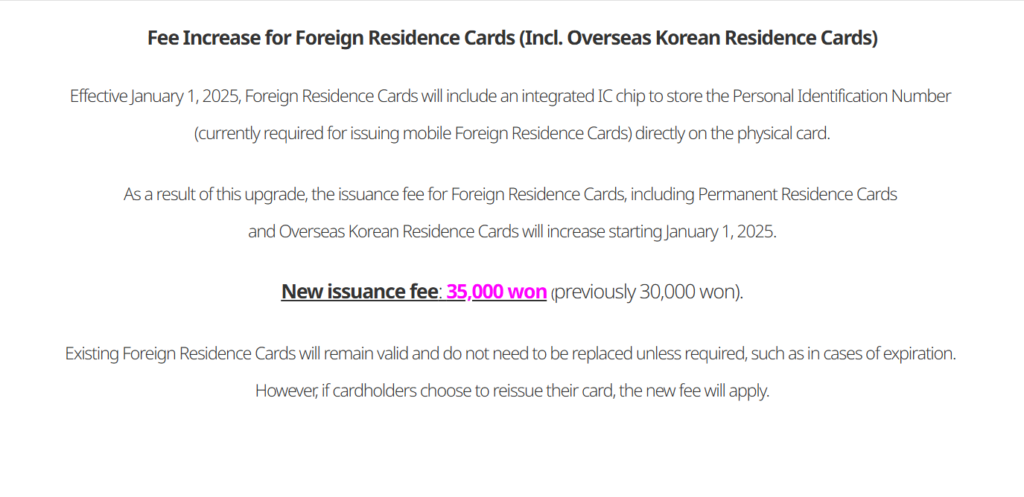
- ARC: living in Korea over 90 days needs registration within 90 days of entry; the card fee is ₩35,000.
- Address: report every move within 15 days of moving in.
- Phone: eSIM for the first days, a Korean plan after your ARC.
- Bank: usually needs passport, ARC and a Korean number; use cash until then.
- Health insurance: mandatory once you have stayed over six months; employees are enrolled at work.
- Transport: a T-money card works on buses, subways and taxis; top-ups are cash only.
- Help: 120 for city services in English, 1345 for immigration, 1330 any hour, 119 for emergencies.
What this guide covers
What Does Living in Korea Require in the First Month?
Living in Korea as a foreigner comes with a few legal tasks. If you plan to stay more than 90 days, the Immigration Act requires registration within 90 days of your entry date. Registered foreigners must report a change of address within 15 days of moving in, and a change in name, birth date, nationality or passport within 15 days. Failing to report can lead to fines, which the Immigration Service’s petition guide puts at up to ₩1 million to ₩2 million depending on the case.
Everything else about living in Korea, such as phone, bank and delivery apps, depends on the ARC. That is why the first month is a sequence, not a list.
1. Living in Korea, Days 1 to 7: Phone, Cash and Address
Phone. Install an eSIM before you land so maps and bank texts work from the airport. A South Korea eSIM from Airalo is the easy option for the first days; the eSIM vs SIM comparison explains the alternatives. A Korean number with a plan needs your ARC, so see Korean phone plans for foreigners for what each carrier asks.
Travel eSIM · via Airalo
South Korea eSIM (unlimited data)
Unlimited data from US$12 for 3 days · US$29 for 7 days · US$49 for 15 days · install before you fly (as of Oct 2026)
Cash. Cards work almost everywhere, but physical T-money top-ups are cash only. See how much cash to bring and WOWPASS.
Housing and address. Keep your lease: immigration asks for proof of where you live. Move-in tasks and the first shopping trip are in our one room Korea essentials guide. Your local dong community service center can help with address paperwork.

2. Living in Korea, Days 7 to 30: Book Your ARC Appointment
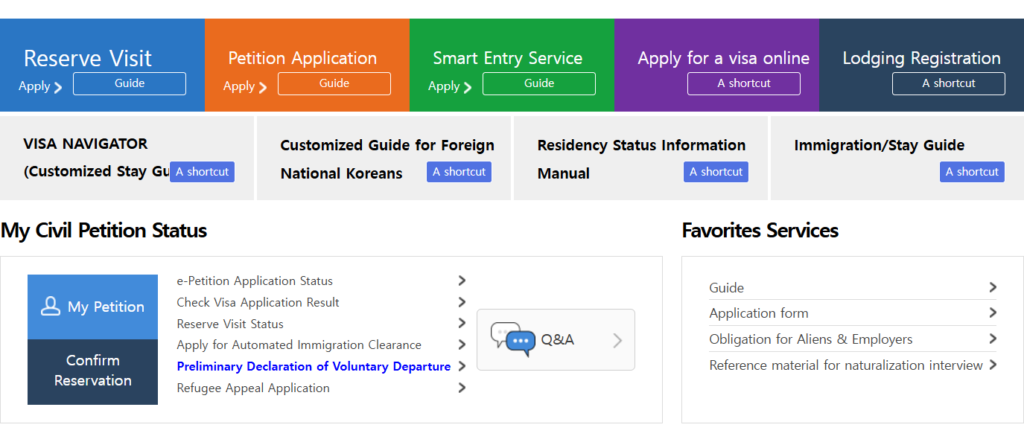
Book through HiKorea’s Reserve Visit button, in English, Korean or Chinese, choosing the immigration office that covers your address. Local government guidance lists the usual documents: the application form, your passport, one photo (3.5 cm by 4.5 cm), proof of address such as a lease, and the fee. The Ministry of Justice set the card issuance fee at ₩35,000 from 1 January 2025. Details, processing time and re-entry are in the alien registration card guide.
The key rules at a glance
| Task | Deadline | Where | Cost or note |
|---|---|---|---|
| Foreigner registration (ARC) | Within 90 days of entry if staying over 90 days | HiKorea Reserve Visit, then immigration office | ₩35,000 card fee |
| Change of address | Within 15 days of moving in | Immigration office, district office, community service center or HiKorea | No fee |
| Passport or name change | Within 15 days | Immigration office or HiKorea | Fines possible if late |
| National health insurance | Employees from the start; others after 6 months | NHIS | 7.19% of monthly wage in 2026, shared with employer |
| Phone plan and bank account | After your ARC arrives | Carrier shop and bank branch | Bring passport and ARC |
3. Living in Korea: Bank Account and Health Insurance
Bank. Each bank sets its own rules. Most ask for your passport, residence card and a Korean phone number, and some want proof of your employer or school, so confirm at the branch before you queue. A Korean account is what unlocks bank-based payments and, later, your Coupang account.

Health insurance. The National Health Insurance Service says foreigners and overseas Koreans working at an insured company are enrolled compulsorily, and anyone who has stayed in Korea over six months is subject to mandatory enrolment (since 16 July 2019). The contribution rate is 7.19% of monthly wage as of 2026, shared with your employer. Until coverage starts you pay medical costs yourself, so keep private travel or student insurance running. The NHIS Center for Foreign Residents handles questions in English.
4. Daily Life: Transport, Apps, Shopping and Garbage
- Transport card. Buy a T-money card at a convenience store and top it up in cash; compare it with the Climate Card in T-money vs Climate Card. Seoul’s Climate Pass is for residents with a foreigner registration number, so check the rules after your ARC.
- Apps. Start with Korea travel apps, Naver Map and Kakao T.
- Shopping. Daiso for cheap basics and the Coupang English guide for delivery once your phone number works.
- Garbage. Use only your district’s official bags, sold at convenience stores; the rules and prices are in the one room Korea guide.


5. Living in Korea: Healthcare Basics and Who to Call
For emergencies call 119. Pharmacies (약국) sell over-the-counter medicine and fill prescriptions, and most clinics accept walk-ins; Korea emergency numbers explains what to call when. For help in English:
- 120 Dasan Call Center (02-120): city services and daily-life questions in English, Chinese, Japanese, Vietnamese and Mongolian on weekdays, 09:00 to 18:00.
- 1345 Immigration Contact Center: visas, ARC and address reporting.
- 1330 Korea Travel Hotline: 24 hours, 365 days.
- Danuri Call Center (1577-1366): 13 languages around the clock for multicultural families and migrant women.
Mistakes to Avoid
- Missing the 90-day deadline. Count from your entry stamp, not your lease or start date.
- Not reporting a move. The 15-day rule applies even if your landlord or household head registered the move.
- Letting the phone name differ from your ARC. Name order mismatches break bank and delivery sign-ups.
- Skipping insurance. Uninsured care is paid in full, and NHIS is mandatory after six months.
- Using the wrong garbage bag. Your district’s official bag is the only one collected.
- Waiting for English everywhere. Keep a translation app and Korean address copies on your phone.
Frequently Asked Questions
What do I need to do in my first month in Korea?
Get a phone number, register for your alien registration card if you will stay over 90 days, report your address, open a bank account once you have the card and learn your district’s garbage rules. Health insurance follows from your employer or the six-month rule.
How long can I stay in Korea before I need an ARC?
If you plan to stay more than 90 days, you must register within 90 days of your entry date. Book the appointment on HiKorea; the card issuance fee is ₩35,000.
Do I have to report a change of address in Korea?
Yes. A registered foreigner must report a move within 15 days of moving in, at the immigration office, the district office, a community service center or online through HiKorea.
Is health insurance mandatory for foreigners in Korea?
Foreigners working at an insured company are enrolled compulsorily, and anyone who has stayed more than six months is subject to mandatory enrolment since 16 July 2019, according to NHIS.
Can I open a bank account without an ARC?
Banks set their own rules, but most ask for your passport, residence card and a Korean phone number. Plan to open the account after the card arrives and use cash or WOWPASS until then.
What phone plan should I get when I arrive?
Install an eSIM before you fly for the first days, then move to a Korean plan once you have your ARC. Compare options in our phone plan guide.
Who can I call if I need help in English?
The Seoul 120 Dasan Call Center (02-120) offers English on weekdays from 09:00 to 18:00, the Immigration Contact Center is 1345 and the Korea Travel Hotline is 1330 at any hour.
How do garbage bags work in Korea?
Household waste goes in the official volume-based bag of your own district, sold at convenience stores and supermarkets. Food waste and recycling have separate rules.
What Should You Read Next?
Once the paperwork is moving, get your home set up with the one room Korea essentials, order what you need through the Coupang English guide, and read the alien registration card guide and the phone plan guide for the details of each step.
Sources (official pages checked)
- HiKorea, Reserve Visit and immigration services
- Ministry of Justice, foreign residence card fee ₩35,000 from 2025
- Immigration Act Article 36, change of residence within 15 days (Korean)
- Immigration Service, Guide to Immigration Petitions (reporting duties and fines)
- Hanam City, foreign resident registration documents and 90-day rule
- NHIS, guidance for foreigners
- NHIS, contribution rate 7.19% in 2026
- Seoul Metropolitan Government, 120 Dasan and Danuri call centers
- Seoul Global Center and Immigration Center 1345
Book the basics for your Korea trip
Affiliate links: we may earn a small commission at no extra cost to you.
Related Guides
- Korea Travel Toolkit: what to book before you fly
- Alien Registration Card Korea
- Korea phone plans for foreigners
- One Room Korea: first-week essentials and budget
- Coupang English Guide
- Korea eSIM vs SIM vs Pocket WiFi
- Korea Travel Apps
- T-money vs Climate Card
- Seoul Climate Card
- Naver Map in English
- Kakao T Taxi App Guide
- Korea Emergency Numbers
- How Much Cash to Bring to Korea
- WOWPASS Korea
- Daiso Korea Must-Buys
Last checked October 2026 against HiKorea, the Ministry of Justice, the Immigration Act, NHIS and Seoul Metropolitan Government. Rules and fees change; confirm on the official page before you apply.